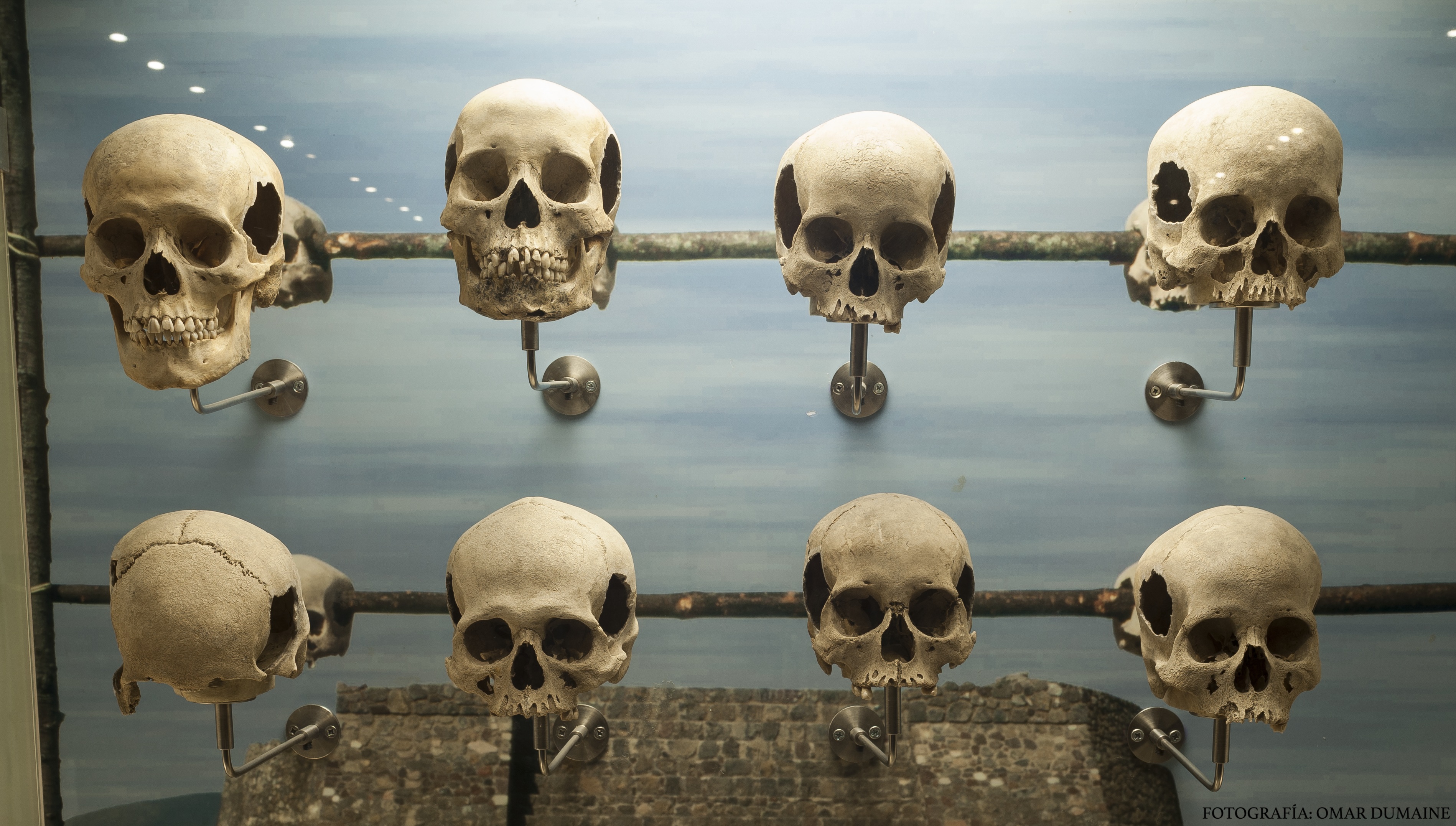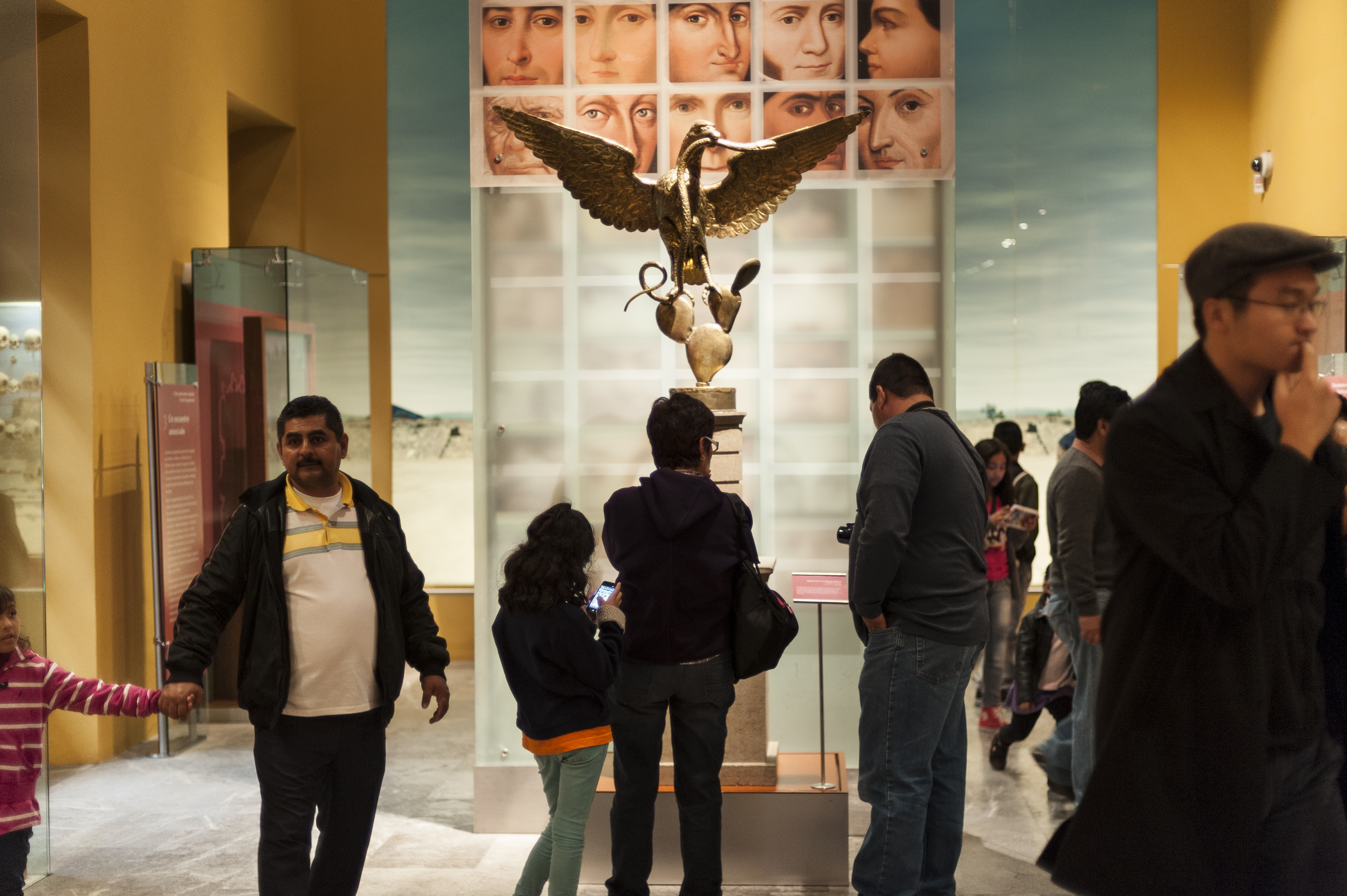
Separated by an ocean, the inhabitants of Europe and those of the continent that would later on be called America did not know each other till the end of 15th century. They first came into contact in 1492: this was the beginning of a new step for the universal history.
The marriage of Ferdinand of Aragon (Spanish: Fernando de Aragón) and
Isabella of Castile (Isabel de Castilla), performed at the end of the
century-long fight against Islam that ended with the conquest of the Granada
kingdom in 1492, and the expulsion of both the Jews and those who did not
accept the Catholic faith, facilitated the basis of the unification of the
Spanish kingdoms and allowed Spain to be constituted as the first nation of the
modern Europe.
As for the territory we know today as Mexico, it hosted a wide range of human groups. In the central and southern region, now known as Mesoamerica, millenary civilizations had been built which, by the beginning of the 16th century, constituted powerful societies with particular protective gods. The northern area was inhabited by heterogeneous groups of farmers and hunter-gatherers who were socially complex, too.
The prehispanic world was multicultural. Despite their many similarities, the Mesoamericans were not integrated as a “nation” with a shared identity. Rather, each community was considered an autonomous altépetl (water-hill).
SELECTED PIECES: